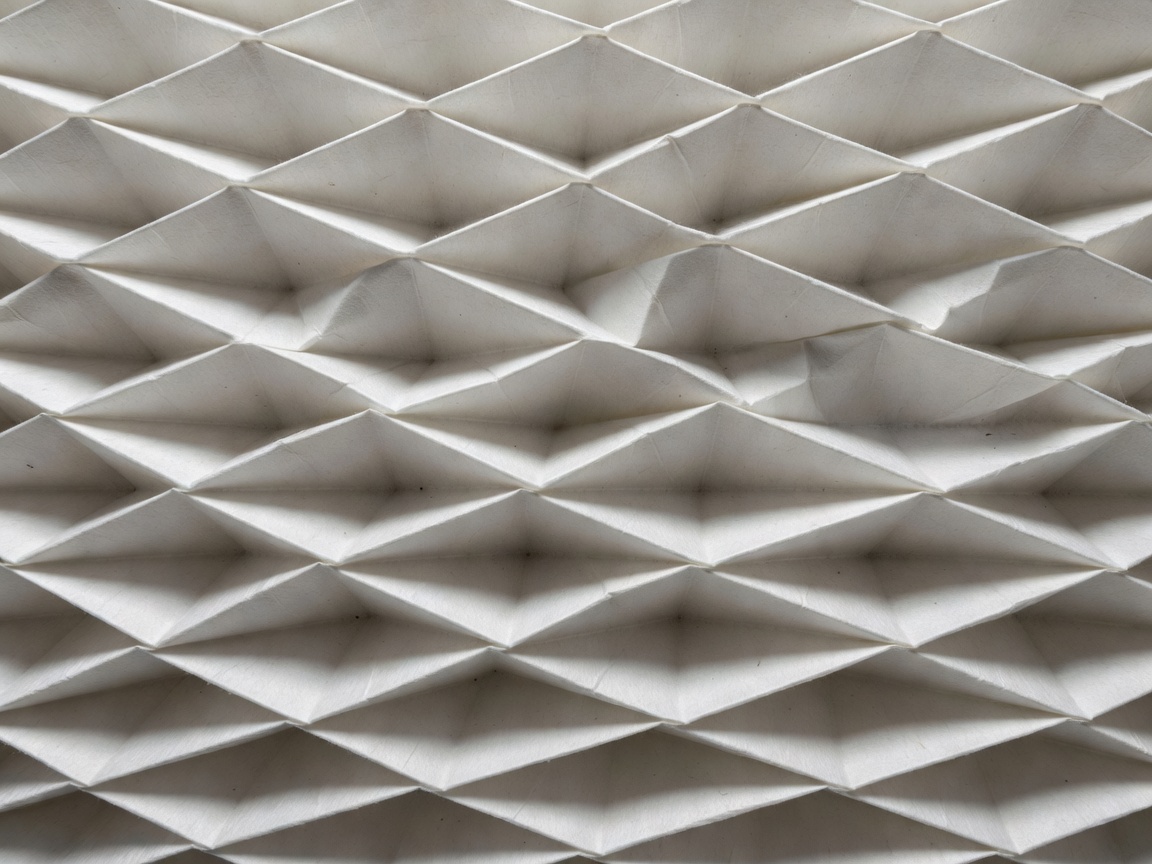
HEPA Filters Demystified
Understand how High-Efficiency Particulate Air filters work, the difference between True HEPA and HEPA-type, and why they are the gold standard for trapping dust and pollen.
Read Full Guide →Your comprehensive resource for understanding air purifiers, filtration technologies, and achieving optimal indoor air quality in modern homes.
Explore Our GuidesDeep dives into the technology that keeps your indoor air clean and healthy.
Understand how High-Efficiency Particulate Air filters work, the difference between True HEPA and HEPA-type, and why they are the gold standard for trapping dust and pollen.
Read Full Guide →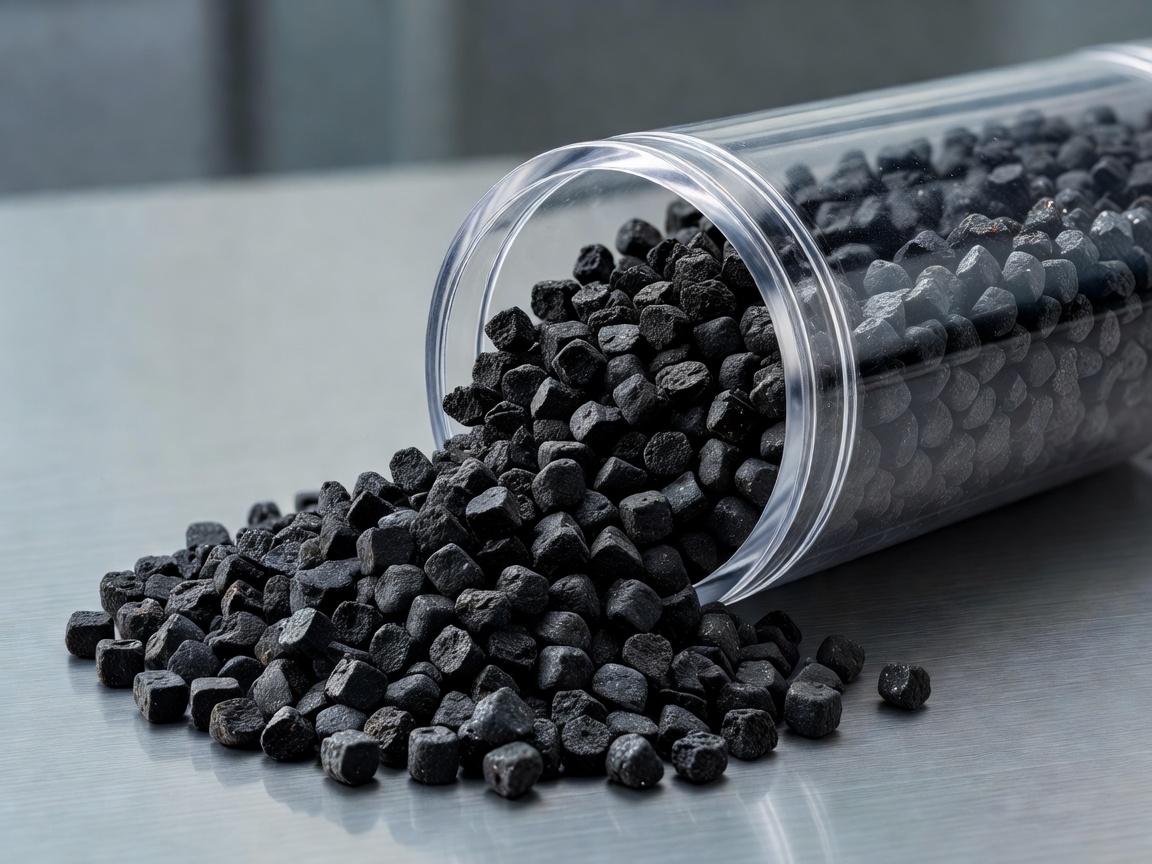
Learn how adsorption works, why carbon density matters for volatile organic compounds (VOCs), and how to choose filters that actually eliminate smells.
Read Full Guide →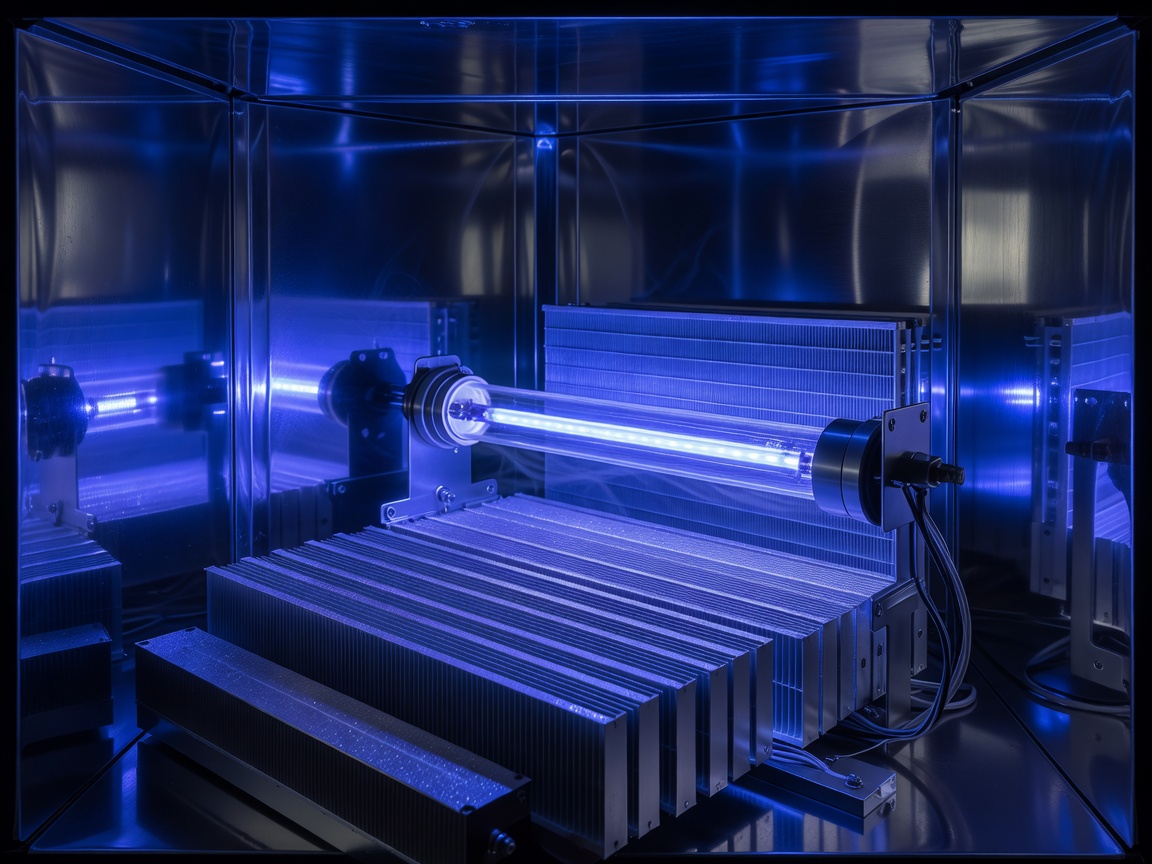
Discover the science behind ultraviolet germicidal irradiation, its effectiveness in fast-moving air streams, and important safety considerations regarding ozone.
Read Full Guide →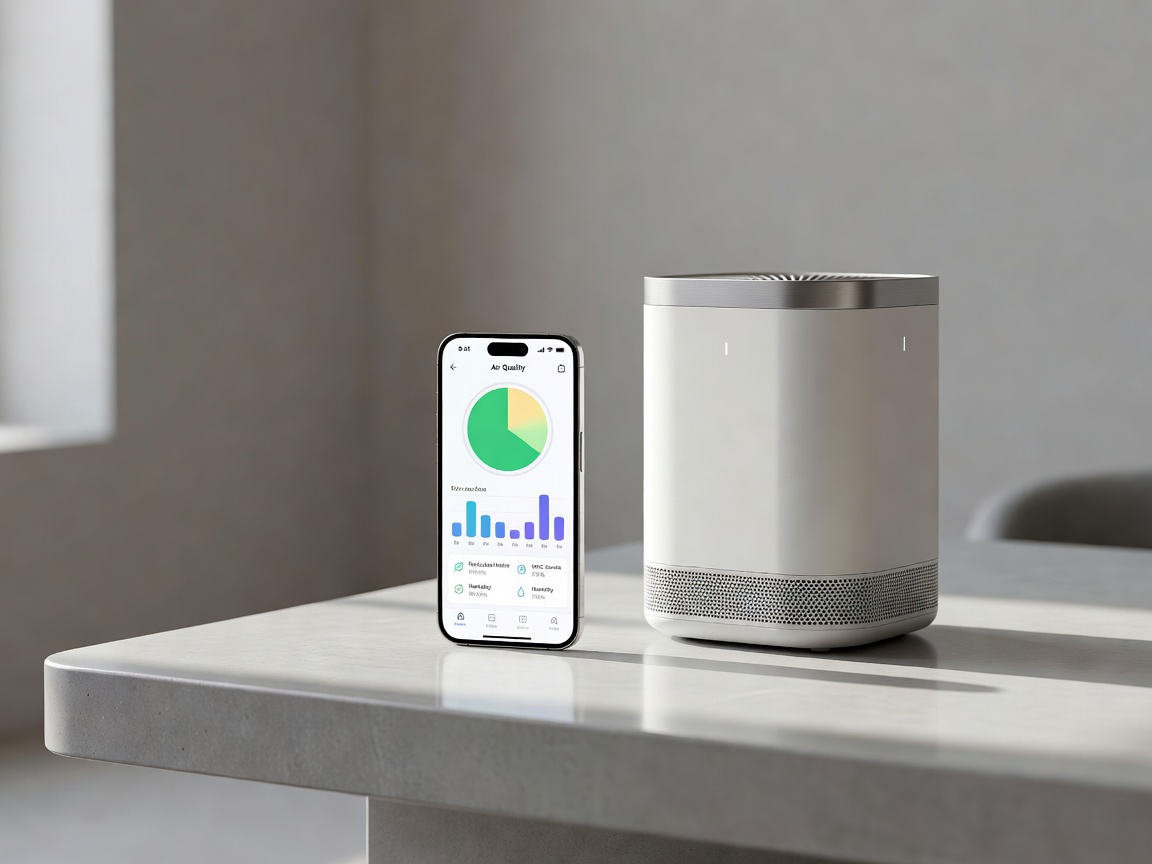
Explore the benefits of laser PM2.5 sensors, automatic purification modes, and how app integrations can help you monitor your indoor environment.
Read Full Guide →
Stop guessing what size you need. Learn how to calculate Air Changes per Hour (ACH) and interpret Clean Air Delivery Rate (CADR) for your specific room dimensions.
Read Full Guide →Modern homes are built with energy efficiency in mind, meaning they are tightly sealed to prevent heat loss or cooling loss. While excellent for utility bills, this lack of natural ventilation can trap indoor pollutants. Common household items like furniture, cleaning products, and cooking appliances constantly release particulates and volatile organic compounds (VOCs) into the air.
Without proper mechanical filtration, these pollutants accumulate, potentially exacerbating allergies, asthma, and other respiratory conditions. At Pickledgertempon, our mission is to empower you with the technical knowledge needed to select the right air purification strategy for your living space, balancing airflow, filtration efficiency, and energy consumption.